We have enjoyed staying in a machiya for three days in Kyoto. Machiya are traditional wooden townhouses found throughout Japan but typically in Kyoto. They traditionally housed merchants and craftsmen, a class called ‘townspeople’, who would have lived and ran their business from the machiya. Today there seems to be a move to preserve these houses and many machiya are being converted for people to live in or rent out for holiday accommodation, or for shops and cafes/ restaurants.
Our machiya was expensive but well worth it. Would you believe the entrance was via a street called Cobbled Kyoto culture!
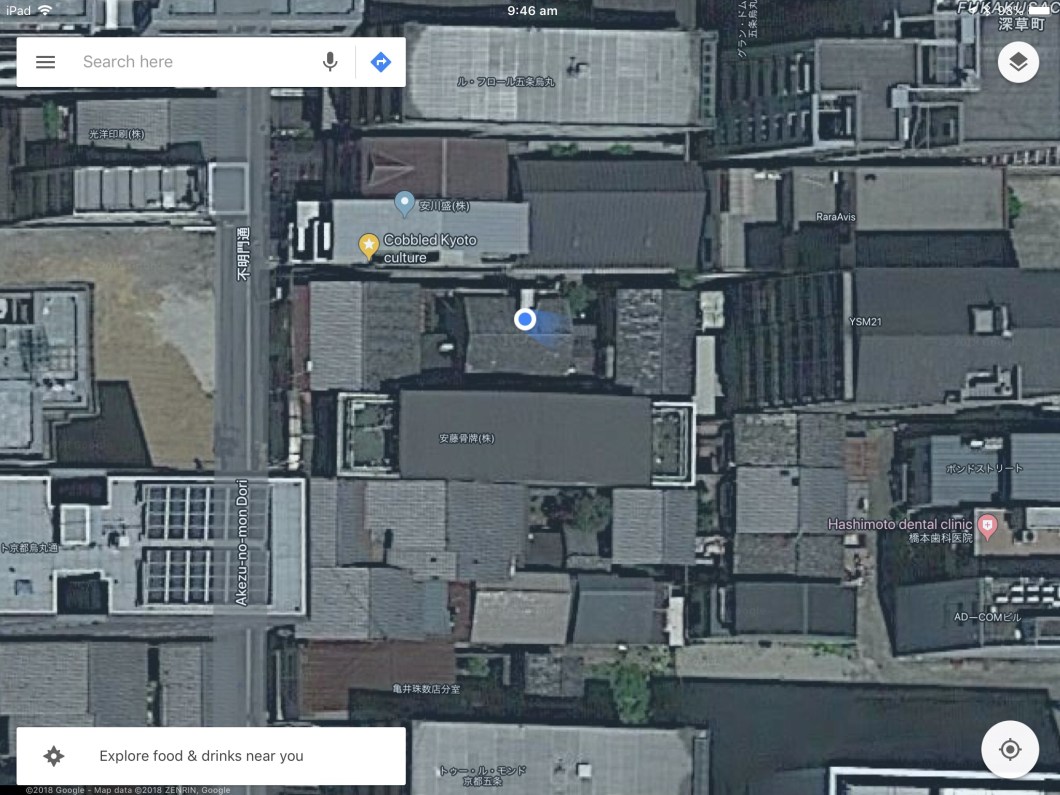

We’ve particularly loved the underfloor heating downstairs (so comforting to come home to), the beautiful cedar bath which imbued the fragrance of cedar throughout the house and the comfortable upstairs bedroom with its two futons. We’ve also had a washing machine and, with the underfloor heating, washing has dried overnight on a clothes horse. It’s been very simple accommodation but beautifully understated in a typical Japanese way.
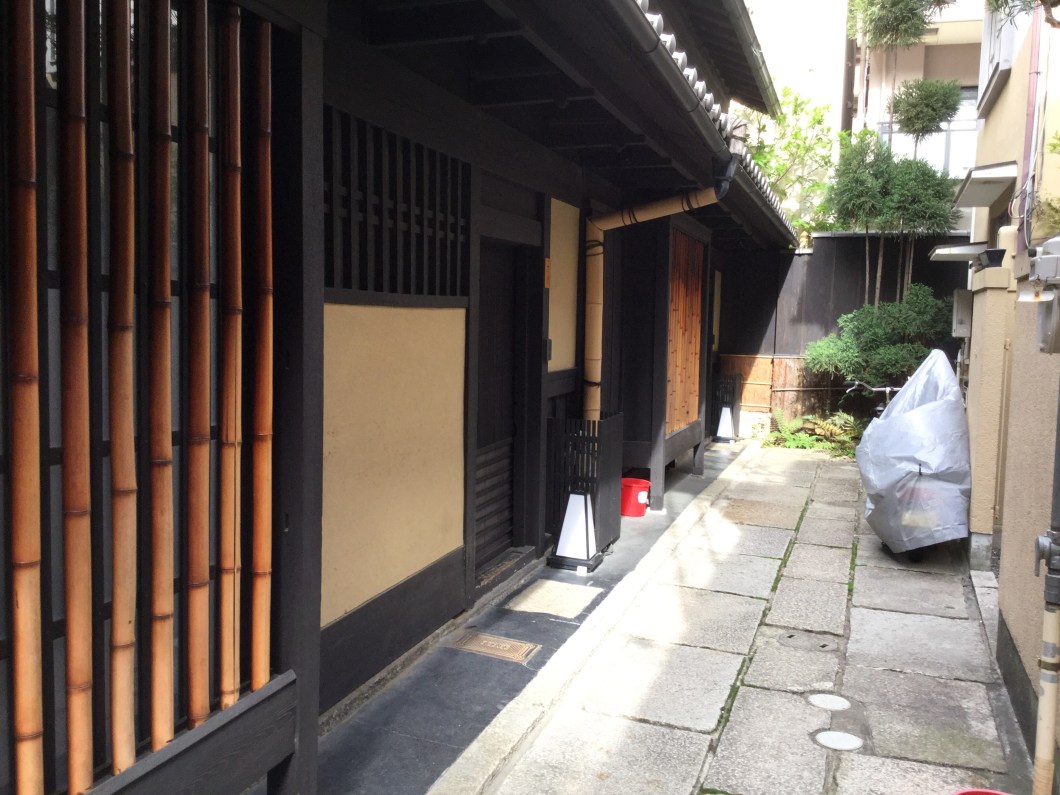


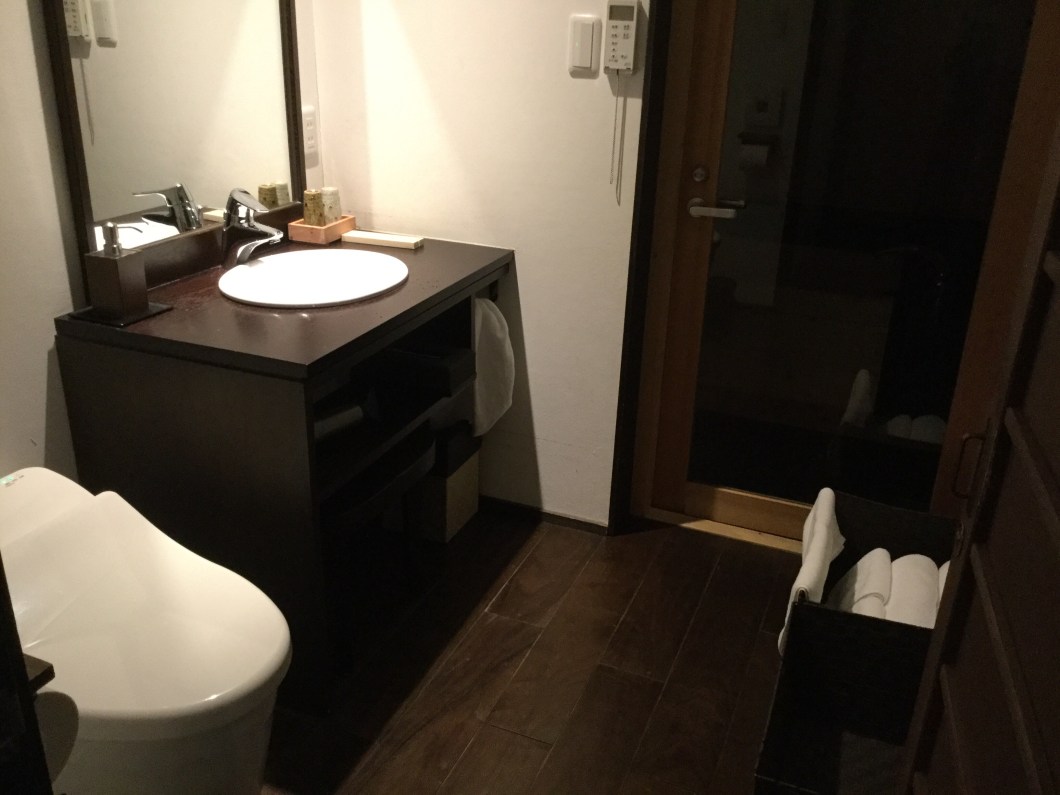


We caught a cab to the office of the company from whom we had hired the machiya, but we could just as easily have caught the subway a couple of stops. We were then taken by another cab to our machiya, in downtown Kyoto, just one subway stop from Kyoto station and really close to the main shopping centre and the Nishiki food markets. The company provided a daily cleaning service and supplied additional tea and filter coffee and bottled water everyday. I was disappointed that the cooking facilities consisted of a kettle and microwave but we discovered microwavable rice and found you could also toast bread in the microwave! There were also additional controls on the bath and hot water which we were encouraged NOT to use. I think they are a little frightened that tourists will wreck the place and/or hurt themselves. Shame!
Kyoto has been full of tourists, particularly in tourist hot spots such as the Nishiki food markets, Gion and Kyoto castle.

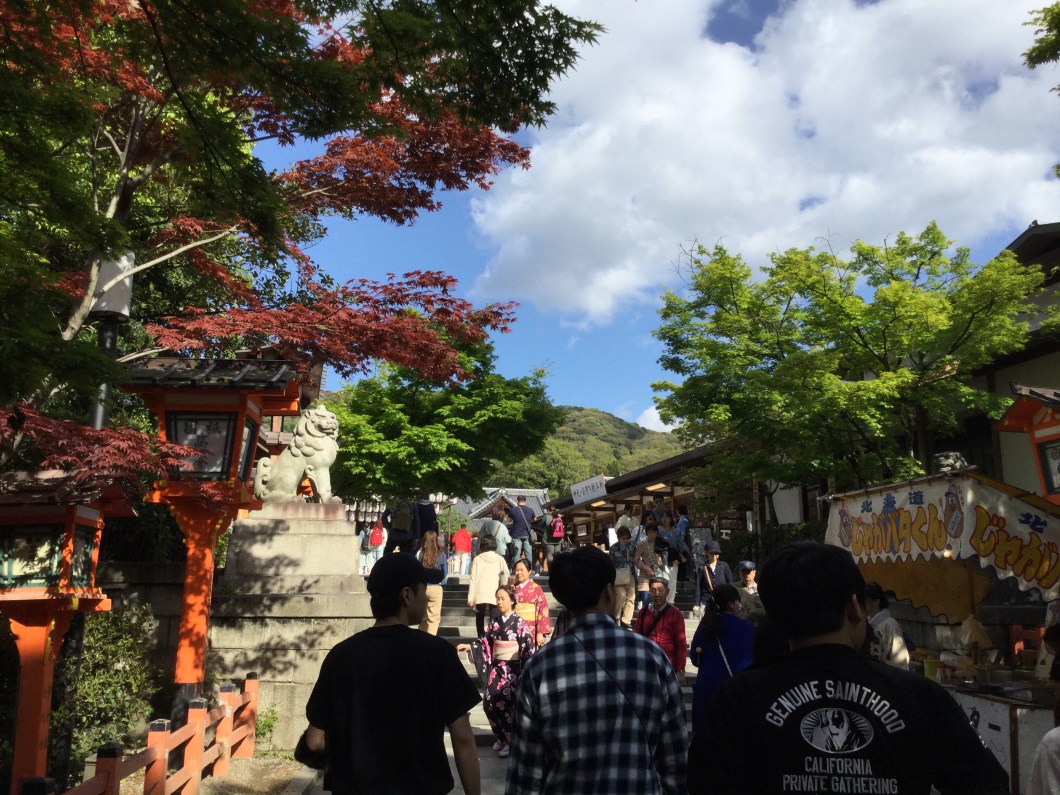

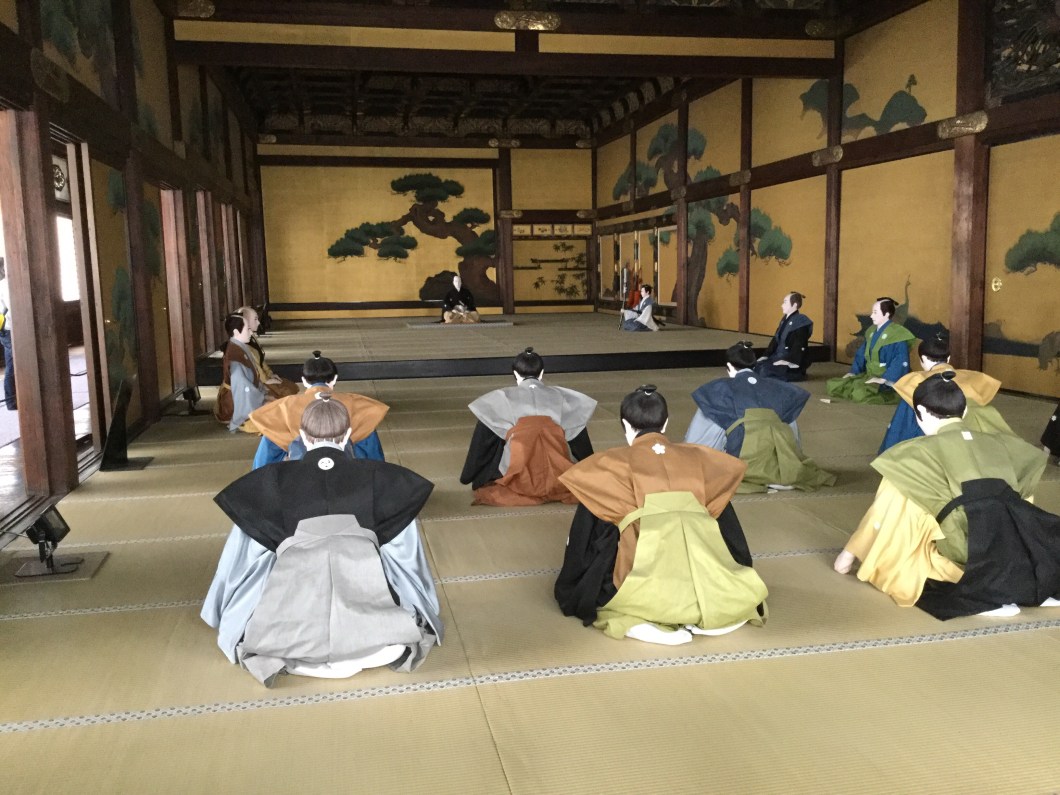

These places are still worth seeing but tourism has certainly picked up in Japan and many places are popular with tourists. This is embraced by most shopkeepers and there are many more people who can speak some English but we also came across cafes with signs prohibiting foreigners! Anthony was also saying that previously, if he pulled out a map, there was always someone who would offer to help. This doesn’t happen now.
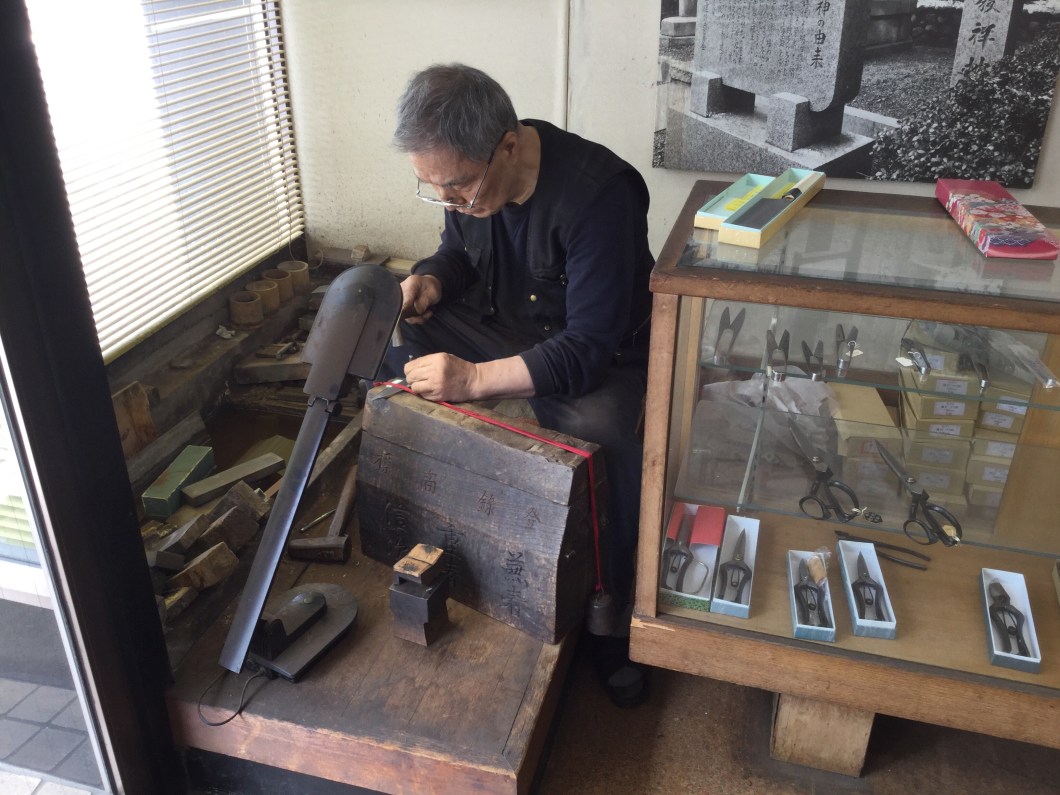
But really close to these hot spots are quieter streets, shops and cafes where you can still pretend to be the only tourist and find some unique products. After visiting Kyoto castle, we walked in the Nijo area and were the only customers in a knife shop and were sold two Japanese knives and a pair of dressmaking scissors by the knife maker himself. The knives were proudly ‘signed’ for us by the maker.

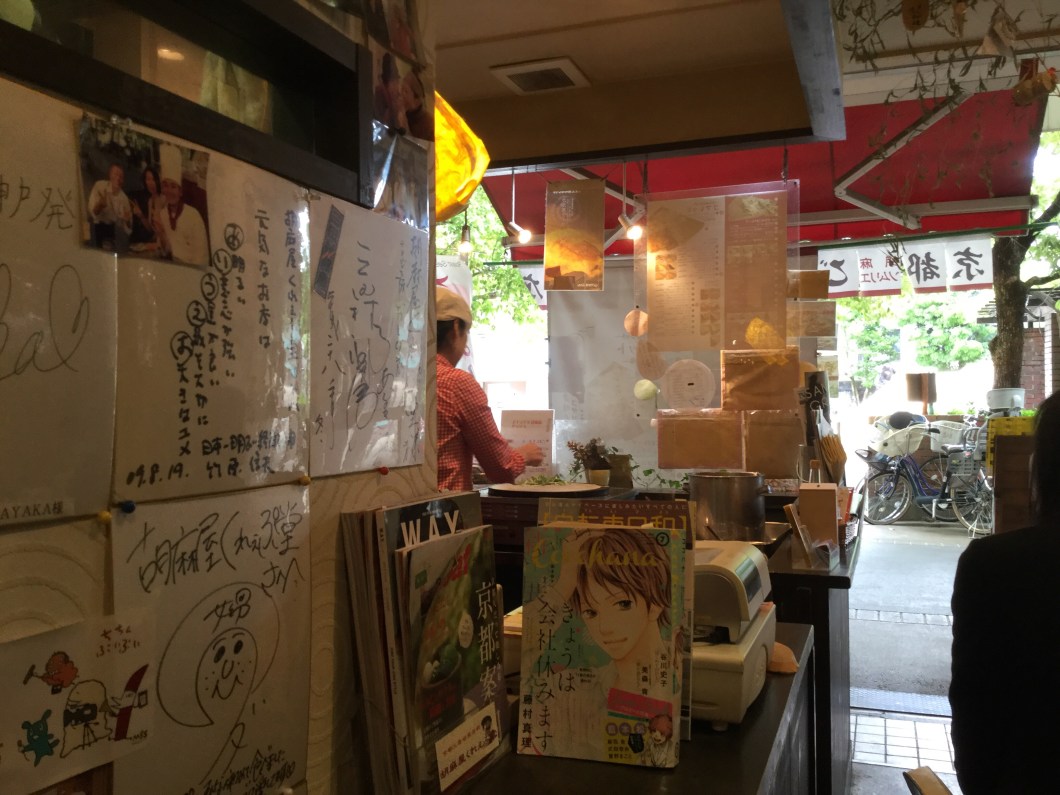
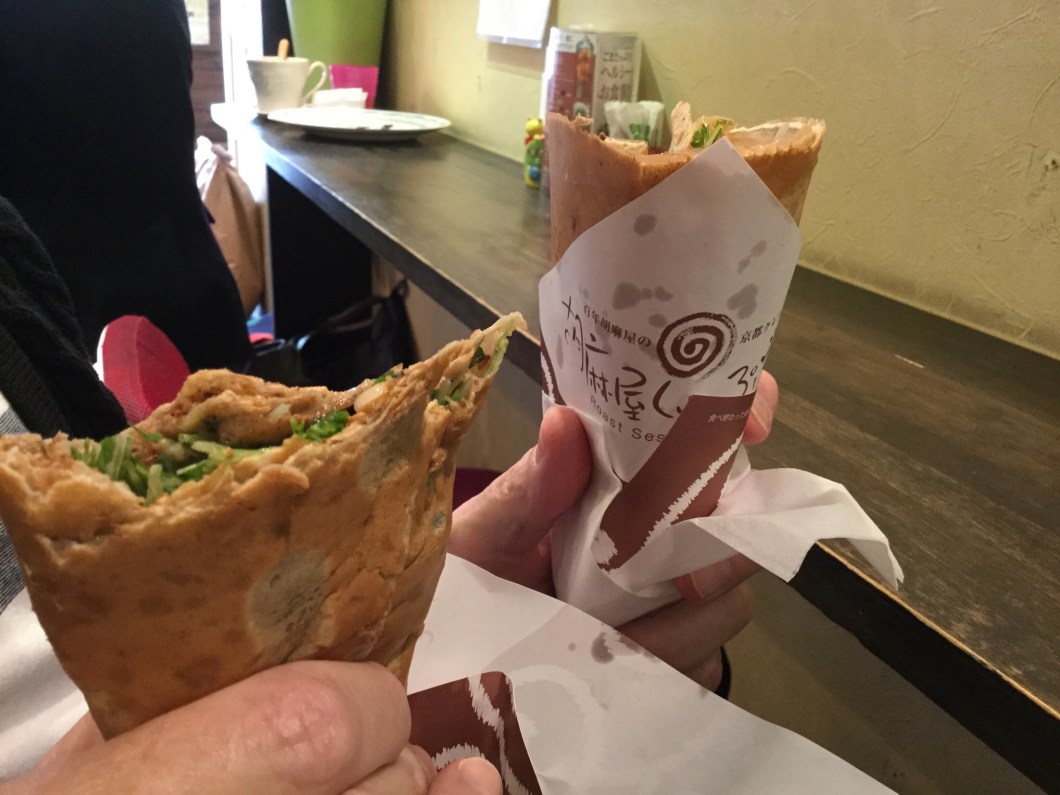
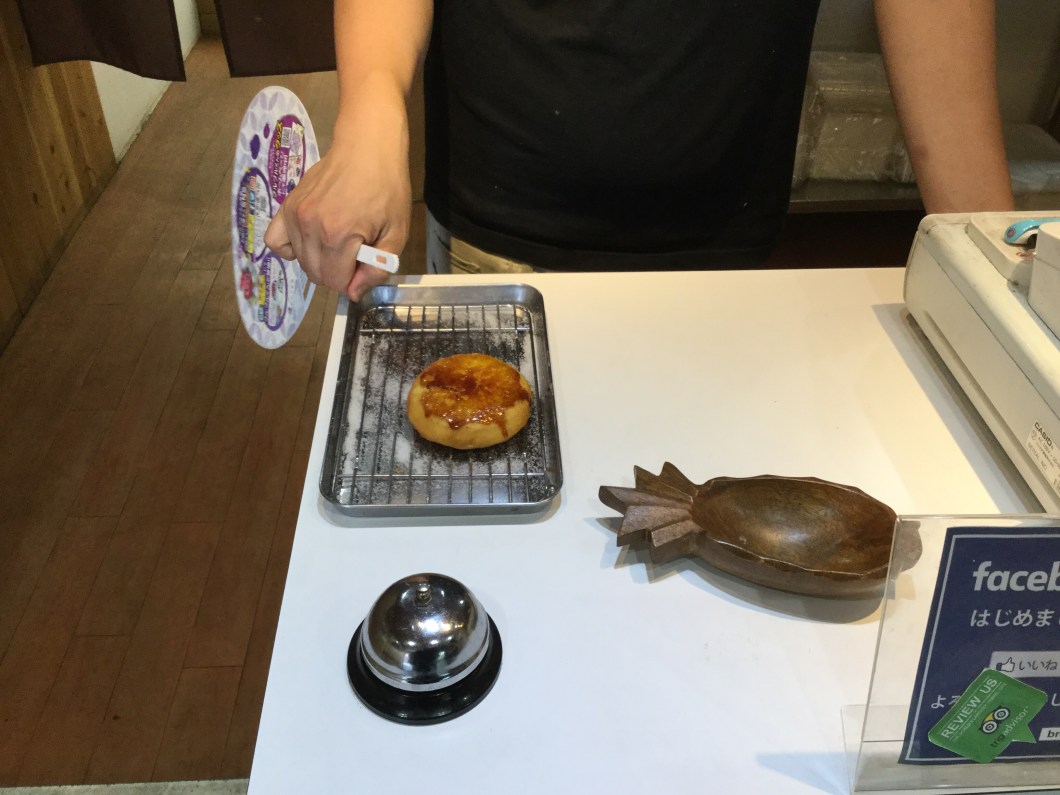
 In the nearby Sanjo shopping arcade we came across a little cafe specialising in delicious roasted sesame crepes and another place selling creme caramel donuts. Both these places were originals and proudly owner operated.

Within the Nishiki food market district you can experience the authentic tastes of Japan including okonomiyaki (Japanese pancake) at Mr Young Men restaurant.


I found lots of Japanese fabrics at the Nomura Tailor and Nomura Tailor House. Though not as extensive as Tokyo’s fabric street, they are Kyoto institutions.

We’ve had great coffee, iced coffee and green tea lattes and coffee culture is certainly on the increase in Japan. The one in Gion was much needed to help us battle the crowds!

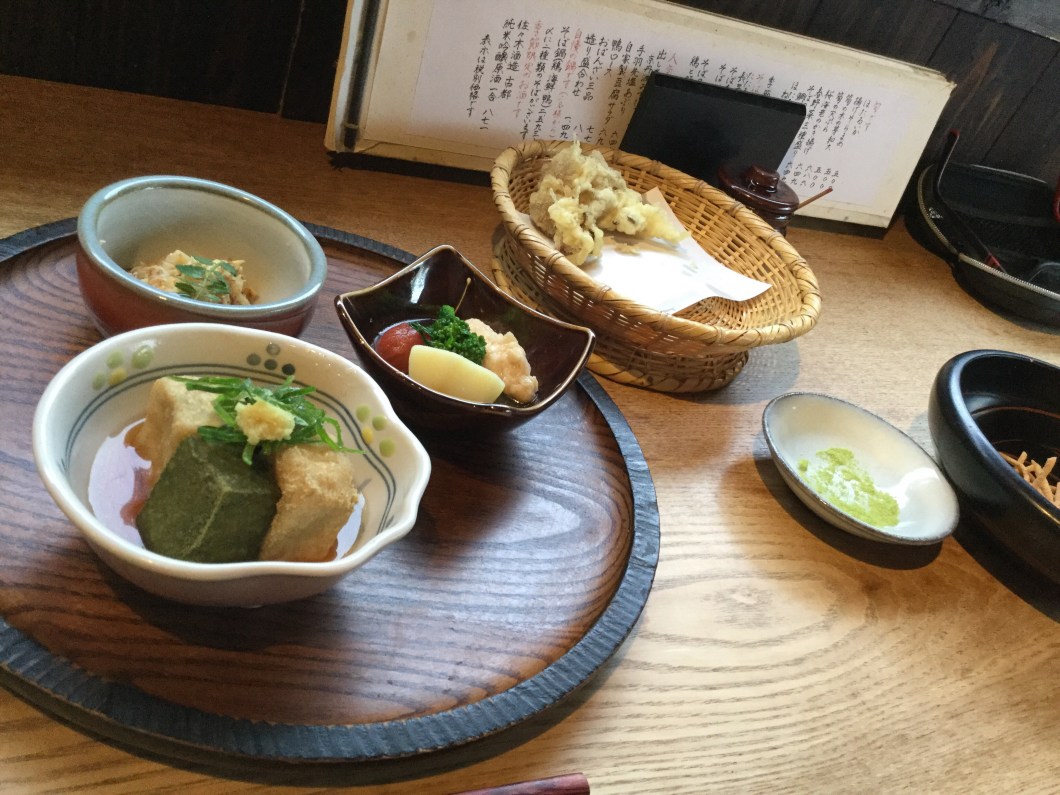
And we had the best soba noodles at a specialist soba restaurant which was just 50 metres away from our accommodation. Delicious!
The time had gone all too quickly! Next stop – home!


The machiya looked fabulous. The pancake looks delicious but I’m not too sure about the green latte. Safe travels homeward.
LikeLiked by 1 person
I loved my time in Kyoto too. Very jealous!
LikeLiked by 1 person